 By Nibav on June 17, 2025 at 11:03 am | Updated on August 14, 2025 at 9:58 am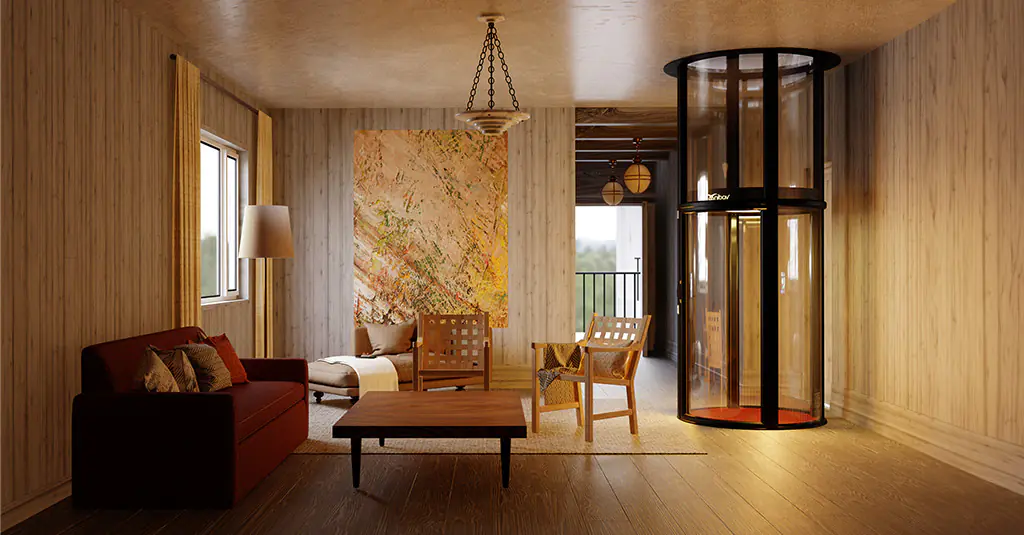
Energy-Efficient Home Elevators: Vacuum vs Hydraulic vs Traction
Energy efficiency should not merely be seen as a buzzword—it is now a serious consideration whether you are planning to install an elevator in your home.
With costs of electricity rising in Thailand, you may find yourself asking which elevator will save you more on your energy bill in the long term.
Among the options available, three types dominate residential use: vacuum, hydraulic, and traction elevators. Each has its own energy profile, and understanding the differences could help you make a more cost-effective, eco-conscious decision.
At Nibav Thailand, we have designed our vacuum elevators with energy savings in mind—with as little as 3.7 kVA for operation and utilizing gravity when going down.
In this blog, we will break down how energy is consumed in each of the different systems, what you can expect on your bill, and how to choose a smart, future-proof elevator system for your home.
1. Understanding Elevator Energy Basics
Table of Contents
- Energy-Efficient Home Elevators: Vacuum vs Hydraulic vs Traction
- 1. Understanding Elevator Energy Basics
- 2. Vacuum Elevators: The Energy-Efficiency Winner
- 3. Hydraulic Elevators: The Reliable Classic
- 4. Traction Elevators: The Balanced Choice
- 5. Head-to-Head Comparison: The Numbers That Matter
- 6. Making the Right Choice: Factors Beyond Energy
- 7. Conclusion and Recommendations
What kVA Means for Your Energy Bill?
kVA stands for kilovolt-ampere, which is a measure of how much electricity your elevator needs when in operation. Think of it as your lift’s “appetite” for power. A higher kVA means higher energy draw, and therefore, higher electricity costs.
For homeowners in Thailand where 220V systems are common, understanding this figure helps you estimate how much energy your elevator will use.
What Affects Power Consumption?
Several factors influence how much power your elevator uses:
- Frequency of use: More trips mean higher consumption.
- Number of floors: Greater travel height demands more energy.
- Elevator type: Some are more efficient by design.
- Standby mode: Elevators also consume small amounts of power when idle.
A 3.7 kVA-rated elevator used moderately (about 10 trips per day) consumes far less power annually compared to models with 10–15 kVA ratings. Understanding these fundamentals helps you plan not just for installation but also for long-term operational cost.
2. Vacuum Elevators: The Energy-Efficiency Winner
How It Works
Vacuum elevators operate using air pressure. Nibav Thailand’s elevators use a vertical tube and air pumps to create lift. As air is removed from above the cabin, outside air pressure pushes the cabin upward. When descending, gravity does the work—no power required.
Power Consumption Breakdown
- Upward travel: About 3.7 kVA, only while the cabin ascends.
- Downward travel: Zero energy usage.
That means energy is consumed only when it’s really needed. No unnecessary power waste when the elevator is idle or moving downwards.
Environmental Impact Assessment
Vacuum elevators are one of the cleanest elevator technologies available. They:
- Don’t use grease or lubricants
- Don’t require a deep pit or complex foundation
- Are made with recyclable components
- Have a smaller manufacturing footprint
Additionally, because vacuum elevators have fewer moving parts and reduced maintenance needs, they save you not only energy costs but also service expenses over the years.
3. Hydraulic Elevators: The Reliable Classic
Hydraulic System Mechanics
Hydraulic elevators rely on a pump to push fluid into a cylinder, lifting the elevator. While effective and widely used, these systems consume more energy due to their mechanical nature and bi-directional energy requirement.
Power and Resource Consumption
- Peak energy use: Between 5–15 kVA
- Downward motion: Also uses energy (unlike vacuum)
- Standby mode: Consumes 0.5–1.0 kW
The pump system requires consistent energy input, even for short travels. That makes hydraulic elevators less efficient over time.
Environmental Considerations
These elevators:
- Use hydraulic fluid, which must be disposed of properly
- Require an underground piston shaft, which increases environmental impact during construction
- Have more moving parts, meaning higher energy loss through friction
Also, regular grease changes and mechanical inspections contribute to higher lifecycle costs. For homeowners who prioritize reliability but aren’t focused solely on efficiency, hydraulics still have a place—especially in certain architectural contexts.
4. Traction Elevators: The Balanced Choice
Counterweight System Advantages
Traction elevators use cables, pulleys, and counterweights to move the cabin. The counterweight reduces the amount of energy needed by balancing the load.
Power Consumption Analysis
- Power during use: Between 3–10 kVA, depending on size and weight
- Standby mode: Around 0.3–0.8 kW
- Energy recovery: Some advanced models regenerate energy during descent
Sustainability Profile
These systems:
- Often use steel components that are recyclable
- Can be built without a machine room (MRL models)
- Have fewer fluid-based components, reducing environmental risk
Many traction elevators now offer smart features that help monitor energy use, further enhancing efficiency. Plus, their smooth ride and fast operation make them ideal for multi-level residences.
5. Head-to-Head Comparison: The Numbers That Matter
| Feature | Vacuum | Hydraulic | Traction |
| Peak Power | 3.7 kVA | 5–15 kVA | 3–10 kVA |
| Standby Power | 0.1–0.2 kW | 0.5–1.0 kW | 0.3–0.8 kW |
| Environmental Impact | Lowest | Moderate | Low–Moderate |
| Maintenance Need | Low | High | Moderate |
Vacuum elevators emerge as the best option when it comes to efficiency, noise, and environmental friendliness. They’re easy to install, especially in homes with space constraints, and won’t inflate your monthly utility bills.
But if your home requires higher speed or heavier load-bearing capabilities, traction elevators strike a fine balance between performance and power usage.
6. Making the Right Choice: Factors Beyond Energy
While energy efficiency is crucial, your choice should also reflect your home setup and personal needs:
- Vacuum elevators are perfect for homes with limited space and lower daily use. They’re quiet, low-maintenance, and energy-saving.
- Hydraulic elevators may be better for homes where heavy-duty lifting is needed or for buildings with fewer design limitations.
- Traction elevators are great for multi-story homes and high-frequency usage. If you need speed and capacity, traction offers better performance than vacuum and is more efficient than hydraulic.
Think about:
- Number of floors
- Number of users
- Aesthetic preferences
- Installation logistics
Beyond the numbers, consider warranty options, after-sales service, and manufacturer credibility. All these elements contribute to long-term satisfaction and peace of mind.
7. Conclusion and Recommendations
If energy efficiency is at the top of your checklist, vacuum elevators by Nibav Thailand are the clear winner. Using only 3.7 kVA during ascent and none while descending, they deliver unmatched cost savings and eco-friendliness.
But the right elevator also depends on your home’s structure and your family’s lifestyle. Traction elevators offer a solid balance, while hydraulic systems remain reliable for specific use cases.
Whatever your needs, our experts at Nibav Thailand are ready to help you compare models, assess installation feasibility, and calculate long-term energy savings tailored to your space.
Ready to take the next step? Contact Nibav Thailand today for a consultation or to schedule a home assessment. Let’s bring smart, sustainable mobility into your living space.
FAQs:
1: Which type of home elevator consumes the least electricity?
Vacuum elevators consume the least electricity, requiring only 3.7 kVA during ascent and zero power while descending, making them the most energy-efficient option for residential use.
2: What is the average standby power usage of a home elevator?
Standby power usage varies by type:
-
Vacuum elevators: 0.1–0.2 kW
-
Traction elevators: 0.3–0.8 kW
-
Hydraulic elevators: 0.5–1.0 kW
Choosing a low-standby elevator can significantly lower your monthly electricity costs.
3: Are vacuum elevators suitable for multi-story homes?
Yes, vacuum elevators are suitable for up to 4–5 floors, depending on the model. They’re compact, eco-friendly, and ideal for homes with space or energy efficiency concerns.
4: How do traction elevators compare to hydraulic ones in terms of energy use?
Traction elevators are more energy-efficient than hydraulic elevators. While traction systems use 3–10 kVA with regenerative options, hydraulic systems consume 5–15 kVA and use energy in both directions.
5. What elevator is best for eco-conscious homeowners in Thailand?
Eco-conscious homeowners should consider vacuum elevators from Nibav Thailand. They consume minimal power, require no oil or lubricants, and have a small environmental footprint, making them ideal for sustainable homes.